

You might notice that your cheeks look flatter in photographs, or that the area beneath your eyes appears darker even after a good night's sleep. These changes usually happen gradually, making it difficult to pinpoint when your face started looking different.
At Shens Clinic, we assess facial volume loss by looking at how different areas of your face have changed over time. What appears to be a hollow beneath the eyes, for example, may be partly related to changes in the cheeks. That is why we look at your face as a whole before recommending treatment, rather than assuming the area that bothers you is necessarily the one that needs correcting.
Age-related facial volume loss involves changes beneath the skin, not just on its surface. As we grow older, facial fat may shrink or shift, while changes in the underlying bone can affect how facial tissues are supported. Collagen loss in the face and reduced skin elasticity can make these changes more noticeable.
However, facial fat loss with age does not affect everyone in the same way. Some people develop hollow temples while their cheeks remain relatively full. Others notice that their cheeks have become flatter or that the folds around their mouth appear deeper.
Weight loss can also contribute to a thinner facial appearance, particularly after significant changes in body weight. Sudden or unexplained changes, however, should be assessed by a doctor to rule out other causes.
Imagine looking in the mirror and noticing that your under-eyes appear darker or more sunken than before. You might assume that adding filler directly beneath your eyes would address the problem.
However, the cheeks provide support to the area beneath the eyes. When cheek volume decreases, the transition between these areas can become more noticeable, creating shadows that make the eyes appear tired.
The same applies to sunken cheeks and hollow temples. Changes in one area can affect how the rest of the face looks, particularly when viewed from different angles.
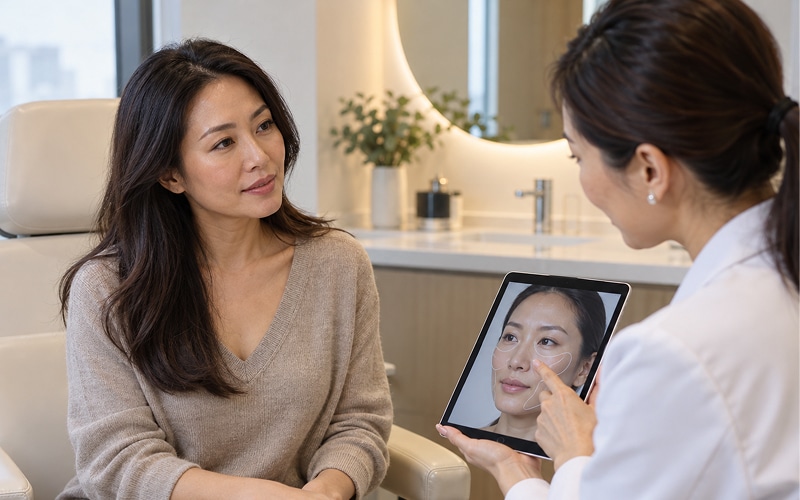
During our assessment, we consider how your facial features relate to one another. We also look at whether the concern comes mainly from volume loss, loose skin or a combination of both.
Sometimes, addressing one area may be sufficient. In other cases, treating every visible hollow could add unnecessary fullness and affect your natural facial proportions.
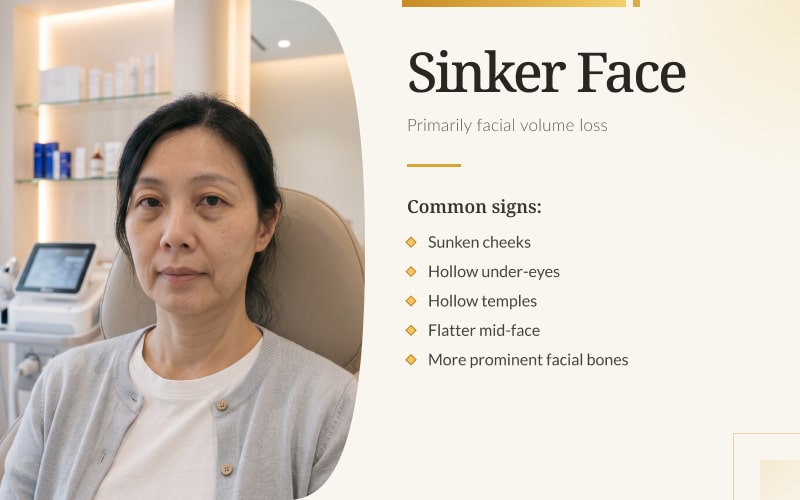
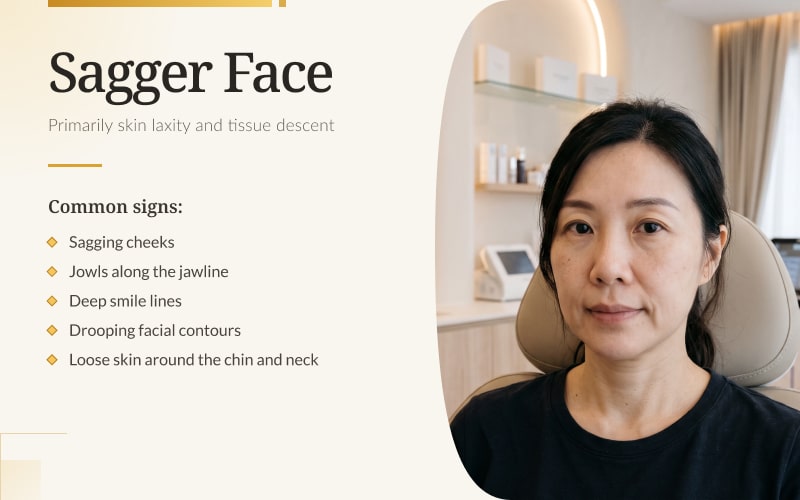
Dermal fillers, including those made with hyaluronic acid, can restore volume to selected areas such as the cheeks and certain facial hollows. They may be considered if you prefer a non-surgical approach to addressing specific changes.
For example, someone who has noticed mild flattening around their cheeks but still has relatively firm skin may consider a small amount of filler to improve the surrounding contours.
Results are generally visible shortly after treatment, although temporary swelling can affect the initial appearance.
Fillers are not permanent, and their duration varies depending on the product and treatment area. Potential complications include swelling, bruising, asymmetry and, rarely, vascular blockage, which can cause serious tissue or vision damage.
If you have noticed changes across several areas of your face, we may discuss fat transfer to face.
This procedure involves taking fat from another part of your body, such as the abdomen or thighs, processing it and transferring it to selected facial areas.
Consider someone whose cheeks have gradually become flatter while their temples have also developed visible hollows. Rather than treating these concerns independently, fat grafting may allow both areas to be addressed as part of the same procedure.
However, fat grafting requires surgery and recovery at both the donor and treatment sites. Bruising and swelling are expected, and some transferred fat will naturally be reabsorbed during healing.
The fat that survives can provide longer-lasting volume, although results vary between individuals. Some patients may also require further treatment to achieve their intended outcome.
Sometimes, what appears to be lost facial fullness is partly related to changes in skin texture.
For example, you may notice fine lines, dryness or a slightly crepey appearance around your cheeks without significant hollowing beneath the skin.
In such cases, skin boosters may be considered to improve skin hydration and quality. However, they do not replace substantial amounts of lost facial fat.
If both skin quality and volume are concerns, we can assess whether different treatments are appropriate for each issue.
Your consultation begins with a discussion about the changes you have noticed and what you would like to address. We also consider your medical history, previous aesthetic treatments and expectations.
Your preferences matter, particularly when it comes to recovery and maintenance.
For instance, someone with a busy work schedule may prefer a treatment that involves less downtime. Another person may be comfortable with a longer recovery period if they are considering fat grafting.
We also assess your skin elasticity and facial structure. If loose skin contributes significantly to your concerns, adding more volume may not produce the appearance you want.
Depending on your facial anatomy and treatment goals, other forms of aesthetic plastic surgery may be discussed.
Treating facial volume loss is about understanding how your face has changed and which areas, if any, would benefit from additional support.
At Shens Clinic, we help you understand your options without assuming that every visible change needs correcting. You do not need to decide between fillers, fat grafting or other treatments before your consultation. We assess your concerns and explain what may be suitable, including when treatment may not be necessary
Book a consultation today.
Dr Shenthilkumar Naidu, also known as Dr Shens, is our Medical Director and Consultant Plastic Surgeon. He trained in plastic and reconstructive surgery in Singapore and received further training in South Korea. His clinical interests include facial cosmetic surgery, fat grafting and body contouring.
Skincare, sun protection and maintaining a stable weight can help support your skin's appearance. However, these measures cannot reliably restore facial fat or underlying bone volume that has already been lost.
Neither treatment is automatically more suitable. Dermal fillers allow targeted adjustments without surgery but require maintenance. Fat grafting involves a surgical procedure and longer recovery, although the surviving transferred fat may provide longer-lasting volume.
Adding too much volume can make certain areas appear overly full. We assess your existing facial contours and discuss how much correction may be appropriate, rather than automatically treating every hollow.
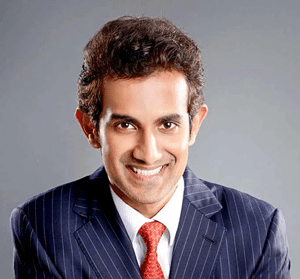
Dr. Shenthilkumar Naidu (Dr. Shens) is a Ministry of Health accredited Consultatn Plastic Surgeon with extensive expertise in cosmetic and reconstructive surgery. He is renowned for his advanced techniques in body contouring and aesthetic enhancements. For more information, visit Shens Clinic.
Monday – Friday: 09:00 am – 06:00 pm
Saturday: 09:00 am – 02:00 pm
Sun and PH: Closed
(Strictly By Appointment Only)
Monday – Friday: 09:00am – 06:00pm
Saturday: 09:00am – 02:00pm
Sun and PH: Closed
(Strictly by appointment only)

Copyright ⓒ Shens Clinic | Privacy Policy | Terms and Conditions .