
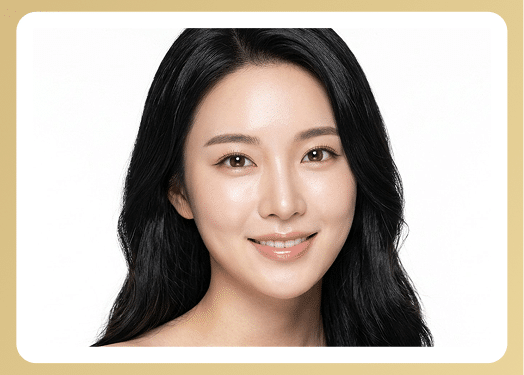
Fotona 4D is a laser-based facelift treatment that combines four laser treatment modes in one personalised protocol. It uses two laser types, Er:YAD and ND:YAD, in four different modes that target different tissue depths, from the internal oral mucosa all the way through to the exterior facial skin. The protocol produces full-thickness contraction of the skin to lift and volumise the face, while improving skin imperfections such as pigmentation and texture.
Each laser mode works at a different depth and plays a separate role in the treatment. At Shens Clinic, our doctor customises the settings according to your skin condition, facial structure and main areas of concern. The Fotona 4D Facelift Treatment consists of 4 steps:
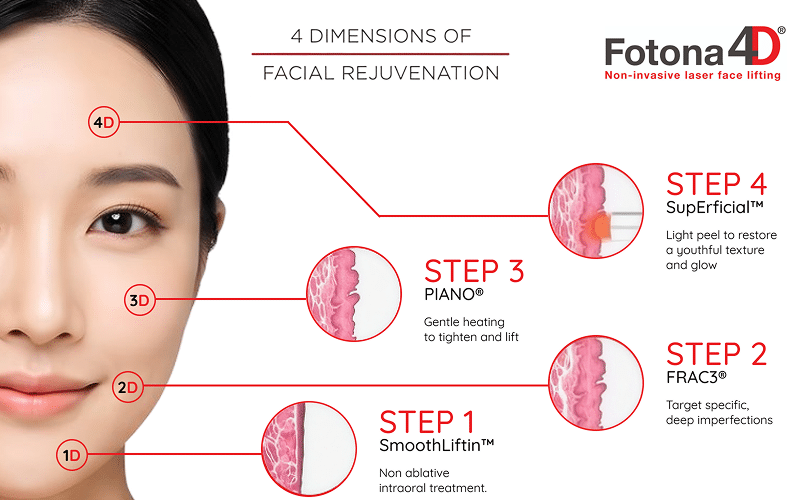
SmoothLiftin™ is carried out inside the mouth.
The Erbium smooth laser within the mouth allows for the laser to reach deeper than if it is applied from the outside, and is much more effective in the improvement of nasolabial folds and overall tightening of the lower face.
FRAC3® delivers high-intensity fractional laser energy beneath the skin’s surface, inducing collagen remodelling and targeting deeper imperfections and pigmentation. The result is an overall improvement in your complexion and skin texture.
PIANO® uses a longer laser pulse to safely heat your face to an optimal temperature, promoting tissue contraction and a firmer, more lifted visage. This stage is commonly applied around areas such as the cheeks, jawline and lower face to support gradual tightening.
SupErficial™ treatment is the final step, which uses an ablative Erbium laser to lightly peel the uppermost layer of the skin, revealing a more youthful skin texture and brighter appearance.
A Fotona laser treatment plan may be considered by patients experiencing early or moderate age-related skin laxity and sagging or uneven skin tone who prefer not to undergo surgery.
The concerns that can be addressed will depend on the treatment settings, areas selected and individual skin condition. At Shens Clinic, our doctor will explain what the procedure may realistically help with during your consultation.
Fotona 4D may be considered for adults with concerns related to mild to moderate facial skin laxity, skin texture or visible signs of ageing who prefer a non-surgical approach.
Suitability is not based on age alone. The doctor will assess your skin condition, facial structure, medical history and expectations before recommending whether Fotona 4D is appropriate for you.
Persons with the following concerns may consider Fotona 4D:





Fotona 4D may be considered when the main concerns include reduced skin firmness, fine lines, uneven texture or early changes around the cheeks and lower face.
However, patients with substantial loose skin or marked tissue descent may need to discuss both surgical and non-surgical options to understand which approach is more aligned with their concerns. For more advanced age-related skin sagging, laser treatment cannot reproduce the structural changes achieved through facelift surgery. The difference between the two approaches will be explained during the consultation.
Your appointment begins with a consultation and assessment of your skin, facial structure and treatment goals. The sequence, settings and appointment length may vary depending on the areas being treated and your personalised plan.
Tell the doctor about any health conditions, allergies, medication, supplements and previous facial procedures during the consultation.
You may also be given instructions on skincare products or activities to avoid before treatment. Patients with a history of cold sores should mention this before the appointment.
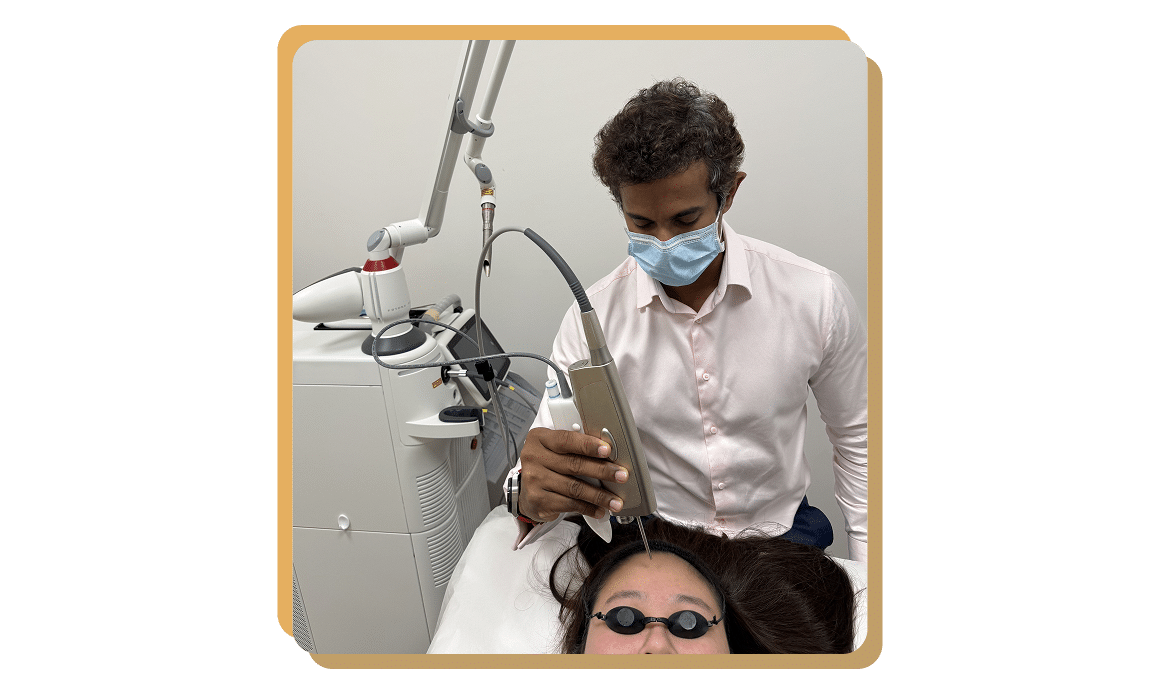
The doctor will apply the different components of the Fotona 4D laser treatment in a specific sequence and settings based on your customised treatment plan, generally starting from Step 1 through to Step 4, while monitoring your comfort and adjusting the treatment as needed.
The length of the session depends on the number of areas being treated and the selected protocol. Numbing cream is generally not needed but can be applied should you require more comfort during the treatment.
Many patients are able to return to their usual activities after treatment. Temporary redness, warmth, dryness, sensitivity or mild swelling may occur, especially when the surface resurfacing stage is performed at a stronger setting.
Aftercare can vary according to the treatment intensity and how your skin responds, so follow the instructions provided by the clinic.
Your skin may be more sensitive to sunlight after laser treatment. Use the sunscreen recommended by the clinic and limit direct sun exposure while the skin settles.
Wearing a hat or using another form of physical sun protection may also be helpful when spending time outdoors.
Avoid scrubs, exfoliating acids, retinoids and other potentially irritating products until the doctor advises that you can resume them.
Use a gentle cleanser and suitable moisturiser to keep the skin comfortable. Avoid picking at any dry or flaky areas.
You may be asked to avoid hot baths, saunas, steam rooms and strenuous exercise for a short period after treatment.
These activities can increase facial warmth and redness while the skin is settling.
Temporary redness and sensitivity may be expected. Contact the clinic if you notice blistering, worsening pain, pronounced swelling, signs of infection or another unexpected reaction.
The team can advise if you should return for an earlier review.

Changes after Fotona 4D tend to develop gradually as the tissues respond to the laser energy and collagen remodelling takes place. The timing and degree of visible change will differ between patients.
Your age, skin condition, lifestyle, treatment intensity and aftercare can all influence the outcome, so no particular result can be guaranteed.
Some patients notice temporary firmness or a change in skin texture soon after the session. Further changes may become visible over the following weeks as the tissues continue to respond. Collagen remodelling and skin tightening may also continue for around three to four months after the last session.
The number of sessions recommended will depend on factors such as the degree of skin laxity, previous procedures, treatment goals and response to each session.
For suitable patients, a treatment plan may involve an initial programme of three to four sessions at approximately monthly intervals, followed by one session every six months for maintenance.
When several sessions are planned, they are usually spaced apart to give the skin and underlying tissues time to respond.
The clinic will recommend an interval based on your treatment plan rather than using the same schedule for every patient.
Age-related changes continue over time, so maintenance sessions may be discussed after the initial treatment plan has been completed.
Regular sun protection, suitable skincare and general lifestyle habits can also support the condition and appearance of the skin.
Fotona 4D, injectable treatments and facelift surgery work in different ways. The option that suits you will depend on the concern being addressed, the degree of tissue laxity, the type of change you are looking for and your comfort with downtime or surgery.
| Consideration |  Fotona 4D Fotona 4D |
 Injectable Facial Treatment Injectable Facial Treatment |
 Short-Incision Facelift Short-Incision Facelift |
|---|---|---|---|
| Treatment approach | Uses several laser modes inside the mouth and across the skin | Places injectable products into selected facial areas | Surgically repositions and tightens facial tissues through incisions |
| Commonly addressed concerns | Mild to moderate skin laxity, texture and fine lines | Volume loss, facial contours or selected lines, depending on the product | More pronounced tissue laxity and structural facial ageing |
| Incisions | No surgical incision | No surgical incision, although needles or cannulas are used | Surgical incisions are required |
| Anesthesia | Depends on the selected treatment settings | Topical or local anesthesia may be used | Usually performed with anesthesia determined by the surgical plan |
| Expected downtime | Often limited, but redness, warmth or flaking may occur | Swelling, tenderness or bruising may occur | A surgical recovery period is required |
| When changes appear | Usually progressive | May be visible soon after treatment, depending on the product | Develop as swelling settles and healing progresses |
| Treatment planning | A course of sessions or maintenance may be advised | Repeat treatment may be needed as the product is gradually absorbed | Usually planned as a surgical procedure rather than a recurring session |
| Main limitations | Cannot remove substantial loose skin or reposition tissue in the same way as surgery | Does not tighten or reposition loose tissue in the same way as surgery | Involves incisions, surgical risks and a longer recovery period |
| Cost | Depends on the protocol and number of sessions | Depends on the product, amount used and areas treated | Depends on surgical complexity, anesthesia and facility fees |
The cost of non-surgical facelift treatment in Singapore will depend on your concerns, the areas treated, the number of Fotona 4D stages included and the number of recommended sessions.
A consultation is needed before the clinic can confirm your treatment plan and provide the corresponding fees.
| Treatment Detail |  What to Expect What to Expect |
|---|---|
| Treatment time | From approximately 20 minutes, depending on the treatment areas and personalised plan |
| Recommended number of sessions | Typically 3 to 4 sessions, depending on the doctor's assessment and individual response |
| Treatment intervals | Usually at approximately monthly intervals |
| Recovery time | Generally none to minimal, although temporary redness, warmth or sensitivity may occur |
| Price | From $800 per session |

MBBS, MMed (Surgery), MRCS (Edinburgh)
FAMS (Plastic Surgery)
Member of Singapore Association of Plastic Surgeons, American Association of Plastic Surgeons and Singapore Society of Aesthetic Medicine
Dr Shens (Dr Shenthilkumar Naidu) is an MOH-accredited plastic surgeon, specialising in reconstructive microsurgery, facial and body cosmetic surgery and aesthetics. He is internationally trained in South Korean, Columbia, Japan and across the US, with over 20 years of experience in the industry.
These answers provide a general introduction to the treatment. A consultation is still needed to assess your suitability, likely downtime and recommended treatment plan.
No. Fotona 4D uses laser energy and does not involve surgical incisions or the repositioning of facial tissues. It is generally considered for mild to medium age-related skin laxity, while facelift surgery may be discussed when there is substantial skin laxity or tissue descent.
The treatment is generally comfortable. You may feel warmth, short pulses of heat or mild prickling during the external stages. The intraoral stage can also feel warm. Comfort varies according to the settings used and individual sensitivity. Topical numbing is usually not required, though it can be applied for 15 to 30 minutes if desired to improve overall comfort.
You can expect minimal to no downtime, although mild redness, dryness or flaking, and sensitivity to the sun can occur for a limited period of time, which is usual for this treatment. You can return to daily activities immediately as well as apply makeup.
While results are seen from the first session, patients benefit the most from a minimum of three to four sessions done on a monthly basis, with maintenance sessions of once every six months.
Fotona 4D may support gradual tightening when skin laxity is mild or moderate, but it does not surgically remove excess skin. If you have substantial laxity, the doctor may discuss the differences between laser treatment and facelift surgery so you can understand the limitations, downtime and risks of each option.
Treatment may not be suitable during pregnancy, when there is an active skin or oral infection or when certain health conditions or medications affect healing or light sensitivity. Previous facial treatments may also influence the plan, so provide a complete medical and treatment history during your consultation.
Monday – Friday: 09:00 am – 06:00 pm
Saturday: 09:00 am – 02:00 pm
Sun and PH: Closed
(Strictly By Appointment Only)
Monday – Friday: 09:00am – 06:00pm
Saturday: 09:00am – 02:00pm
Sun and PH: Closed
(Strictly by appointment only)
Copyright ⓒ Shens Clinic | Privacy Policy | Terms and Conditions .