
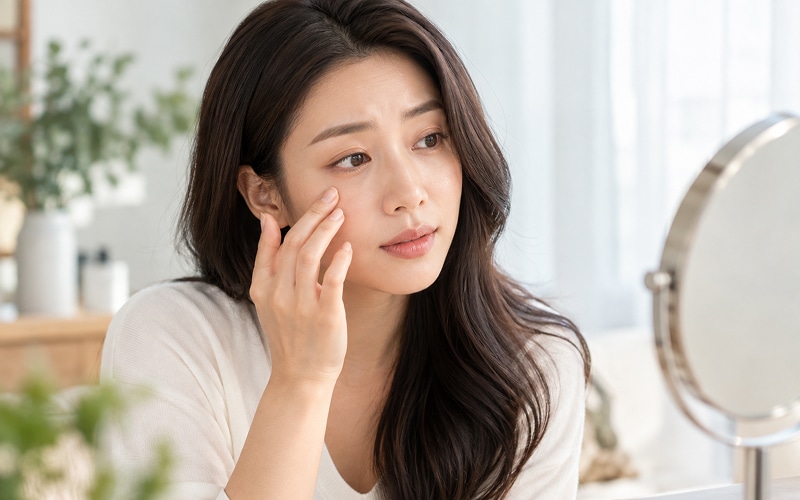
You might get a full night's sleep, yet still notice that your eyes look tired in photos or under bright lighting. Sometimes, the problem has little to do with sleep. A hollow under the eyes can create shadows that make the surrounding skin appear darker, even when there is no actual discolouration.
At Shens Clinic, we look at what is causing that appearance before discussing treatment. Is it a lack of volume, prominent eye bags or naturally darker skin? These details matter because adding volume may help with hollowness, but it will not necessarily address every under-eye concern.
The tear trough is the natural groove extending from the inner corner of the eye towards the upper cheek. Some people have noticeable tear trough hollows from a young age simply because of their facial structure.
For others, the hollow becomes more noticeable over time. As we age, the fat beneath our skin changes, our cheeks may lose fullness, and the skin around our eyes becomes thinner. Changes in the underlying bone structure can also make the area appear deeper.
Weight loss is another possible factor. Someone who has recently lost a considerable amount of weight might notice that their face looks slimmer, but their eyes appear more sunken than before.
However, what looks like a hollow under the eyes may actually be pigmentation or visible blood vessels beneath thin skin. This is why identifying the cause matters before considering any treatment.
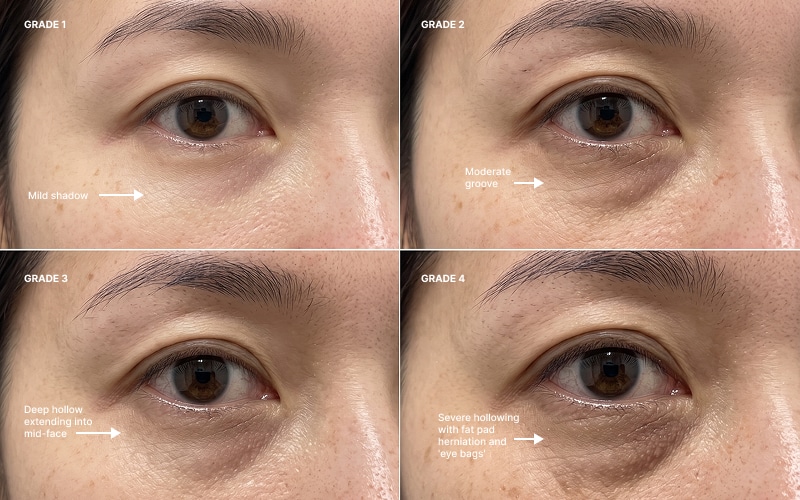
The area beneath your eyes does not exist in isolation. Changes in the surrounding cheeks, skin and lower eyelids can all affect how noticeable the hollows appear.
For example, someone might have a deep groove beneath an eye bag. Adding volume to the groove could soften the shadow, but the eye bag itself would still be present. In such cases, eye bag removal or lower eyelid fat repositioning may be worth discussing.
Someone else might have relatively smooth lower eyelids but noticeable volume loss across the upper cheeks. Here, addressing the cheek area could make more sense than concentrating solely on the tear trough.
We also consider skin quality. Treatments such as skin boosters may help with certain skin concerns, although they cannot replace missing facial volume.
Dermal fillers containing hyaluronic acid can add volume to selected areas beneath the eyes without surgery.
For someone with a relatively small, well-defined hollow and sufficient cheek support, filler may help soften the indentation between the lower eyelid and cheek.
Changes are generally visible shortly after treatment, although temporary swelling may affect the initial appearance. Results gradually diminish over time, and some people may consider further treatment.
However, fillers are not suitable for every type of hollowing. Thin skin, existing puffiness and prominent eye bags can affect the outcome.
Possible complications include swelling, lumps, uneven contours and a bluish appearance beneath the skin. Rare but serious complications include vascular blockage, which can cause tissue damage or permanent vision loss.
Fat grafting takes fat from another part of your body, such as the abdomen or thighs, and transfers it to areas where additional fullness is needed.
At Shens Clinic, we may consider fat transfer to the face when volume loss under the eyes extends into the surrounding cheeks.
For example, someone who has experienced significant facial fat loss after weight reduction may notice that their cheeks look flatter and their eyes appear more deeply set. Fat grafting may be considered to address several affected areas together.
Unlike fillers, some transferred fat can survive for years. However, the body naturally absorbs a proportion of the transferred fat, so results vary.
Recovery also tends to take longer than with fillers because fat must first be harvested. Possible risks include swelling, bruising, lumps, asymmetry, infection and rare vascular complications, including vision loss.

The decision depends on more than how deep your under-eye hollows appear.
For example, a younger adult with inherited hollowness, relatively full cheeks and no significant eye bags might be assessed for a small amount of filler.
In contrast, someone experiencing broader facial volume loss may wish to discuss fat grafting. Neither approach is automatically suitable, and treatment may be unnecessary if the appearance does not cause concern.
During a consultation, we consider your facial proportions, skin condition, medical history and previous treatments. We also talk about practical concerns, such as whether you want to avoid surgery, how much downtime you can accommodate, whether repeat treatments are acceptable, and how to avoid adding more fullness than your facial features need.
If you are also concerned about hooded or drooping upper eyelids, we may assess those separately. For instance, upper eyelid blepharoplasty addresses excess skin and other concerns involving the upper eyelids, but it does not correct hollowing beneath the eyes.
If you have a hollow under the eyes, the first consideration should be what is creating that appearance. Some people mainly have a localised indentation, while others have changes involving the cheeks, eye bags or skin.
At Shens Clinic, we assess these differences before discussing whether dermal fillers, fat grafting or another approach may be appropriate.
Contact us to book a consultation.
Dr Shenthilkumar Naidu, also known as Dr Shens, is our Medical Director and an MOH-accredited Consultant Plastic Surgeon.
He holds MBBS, MMed (Surgery), MRCS (Edinburgh) and FAMS (Plastic Surgery) qualifications and has undertaken further plastic surgery training in South Korea. His practice includes facial cosmetic procedures and fat grafting.
Yes. Dermal fillers can sometimes cause puffiness, uneven contours or visible swelling, particularly when the skin beneath the eyes is thin or existing eye bags are present. In some cases, filler may also attract water or create a bluish appearance beneath the skin, making the area look more noticeable. This is why we assess your under-eye anatomy before determining whether fillers are suitable.
Fat grafting can provide long-lasting results because some of the transferred fat may survive for years. However, the body naturally absorbs a portion of the fat during healing, so the final amount of retained volume varies between individuals. Facial ageing and weight changes can also affect the results over time. Some patients may require additional treatment to achieve their desired volume.
Not necessarily. Dermal fillers and fat grafting primarily address lost volume and may help reduce shadows associated with sunken eyes. However, dark circles can also develop due to pigmentation, visible blood vessels or naturally thin skin. If these factors are contributing to the darkness, replacing lost volume alone may not be enough. We assess the underlying cause before discussing suitable treatment options.
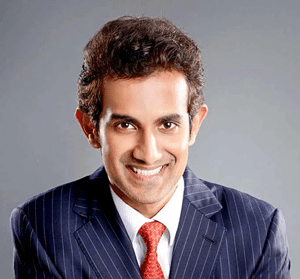
Dr. Shenthilkumar Naidu (Dr. Shens) is a Ministry of Health accredited Consultatn Plastic Surgeon with extensive expertise in cosmetic and reconstructive surgery. He is renowned for his advanced techniques in body contouring and aesthetic enhancements. For more information, visit Shens Clinic.
Monday – Friday: 09:00 am – 06:00 pm
Saturday: 09:00 am – 02:00 pm
Sun and PH: Closed
(Strictly By Appointment Only)
Monday – Friday: 09:00am – 06:00pm
Saturday: 09:00am – 02:00pm
Sun and PH: Closed
(Strictly by appointment only)

Copyright ⓒ Shens Clinic | Privacy Policy | Terms and Conditions .