

You might first notice a change in photographs. Your cheekbones look more prominent, the area beneath them seems flatter, or your face appears tired even after a good night's sleep. Sunken cheeks can develop gradually with age or become more noticeable after losing weight.
At Shens Clinic, we consider where volume has been lost and what you would like to change, rather than simply adding fullness.
Fat pockets help give the cheeks their shape. With age, facial fat loss, changes in fat distribution and reduced bone support can contribute to midface volume loss. Less firm skin can make these changes more noticeable.
Weight loss can have a similar effect. For example, someone who has worked hard to reach a comfortable, stable weight may be pleased with the change to their body but surprised by how much thinner their face looks. That does not necessarily mean their skin needs tightening. They may simply have less fullness in the cheeks.
We also look at neighbouring features. A flatter upper cheek can deepen shadows beneath the eyes and make smile lines stand out. Treating each concern separately may miss the underlying change.
Dermal fillers, often made from hyaluronic acid, are injected into specific areas to replace some lost volume or adjust the cheek contour. They may be considered when the hollowing is relatively mild and you want to avoid a procedure that involves taking fat from another part of the body.
Imagine noticing stronger shadows below your cheekbones in photographs but otherwise liking your facial shape. A small amount of filler might soften the hollowing without making your cheeks noticeably larger.
Changes are usually visible soon after treatment, although swelling can affect the initial appearance. Results are temporary, so repeat treatment may be needed.
There are risks to consider. Bruising, swelling and tenderness are relatively common. Rare but serious complications can occur if filler enters or blocks a blood vessel, potentially causing skin damage or vision loss. We discuss these risks before treatment.
Another option is fat transfer to the face. Fat is collected from an area such as the abdomen or thighs, prepared and then transferred into selected areas of the face. Unlike fillers, this involves surgery and a donor site that also needs time to heal.
Someone who has maintained a stable weight after significant weight loss might still notice hollowing from the cheekbones towards the mouth. Grafting may help address several areas as part of the same procedure.
Recovery is an important difference. Bruising and swelling can occur where fat is collected and where it is placed. Some transferred fat will be absorbed, so the eventual result may look different from the initial fullness. The fat that survives may remain for years, although results vary and further treatment is sometimes necessary.
Fat grafting also carries risks, including infection, uneven contours, fat necrosis and rare vascular complications. Using your own fat does not make the procedure risk-free.

The choice depends on the extent of volume loss, your willingness to undergo surgery and available recovery time.
For relatively small areas of sunken cheeks, fillers may allow a focused adjustment. If the hollowing extends across several parts of the face, fat grafting may be considered, provided you have sufficient donor fat and are suitable for the procedure.
Sometimes, cheeks appear flatter because the surrounding skin has started to sag rather than because substantial facial fat has been lost. If sagging is the main concern, we may discuss whether a face thread lift in Singapore or a HIFU face lift is appropriate. If the concern is mainly skin dryness or texture, skin boosters may be considered. However, these treatments address different concerns and do not directly replace missing cheek volume.
We assess your face from different angles and ask what you have noticed. The goal may be softer cheek shadows while keeping your features recognisably yours.
Sunken cheeks do not automatically call for large amounts of filler or extensive grafting. A small, targeted change may be enough for one person, while another may need a broader assessment of volume loss. Both approaches have limitations and risks.
At Shens Clinic, we discuss your facial proportions, recovery expectations and treatment options before making a recommendation. Book a consultation to find out what may suit your concerns.
Dr Shenthilkumar Naidu, also known as Dr Shens, is our Medical Director and an MOH-accredited Consultant Plastic Surgeon. He trained in plastic and reconstructive surgery in Singapore and undertook further training in Korea. His areas of practice include facial cosmetic procedures, body contouring and fat grafting.
Some facial fullness may return if you regain weight, but this depends on how your body distributes fat. You cannot control where weight is regained, so your cheeks may not return to their previous shape. If your weight has been stable for some time and the hollowing remains noticeable, a consultation can help determine whether facial volume loss is contributing to the change.
Most cheek fillers made from hyaluronic acid are temporary because the body gradually breaks down the material. How long the results last depends on the type of filler used, the amount injected, the treatment area and individual factors. Some people may consider maintenance treatments as the effects diminish, although the timing should be discussed with their doctor.
Facial fat grafting can produce long-lasting results, but some transferred fat is naturally absorbed during the healing process. Fat cells that successfully establish a blood supply may remain for years, although the amount that survives varies between individuals. Your cheeks will also continue to change with ageing and weight fluctuations, so the results should not be considered completely permanent.
Restoring cheek volume may soften the appearance of smile lines, particularly when facial fat loss has made the folds more noticeable. However, smile lines can also develop because of skin laxity, facial movement and changes in underlying support. Adding volume to the cheeks alone may not fully correct them. We assess these contributing factors before discussing which areas, if any, may benefit from treatment.
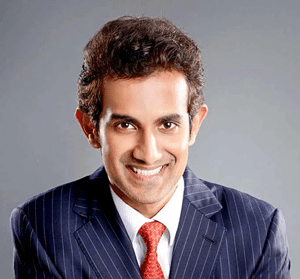
Dr. Shenthilkumar Naidu (Dr. Shens) is a Ministry of Health accredited Consultatn Plastic Surgeon with extensive expertise in cosmetic and reconstructive surgery. He is renowned for his advanced techniques in body contouring and aesthetic enhancements. For more information, visit Shens Clinic.
Monday – Friday: 09:00 am – 06:00 pm
Saturday: 09:00 am – 02:00 pm
Sun and PH: Closed
(Strictly By Appointment Only)
Monday – Friday: 09:00am – 06:00pm
Saturday: 09:00am – 02:00pm
Sun and PH: Closed
(Strictly by appointment only)
Copyright ⓒ Shens Clinic | Privacy Policy | Terms and Conditions .