
By Dr Shenthilkumar Naidu (Dr Shens), Medical Director & Consultant Plastic Surgeon | Medically Reviewed
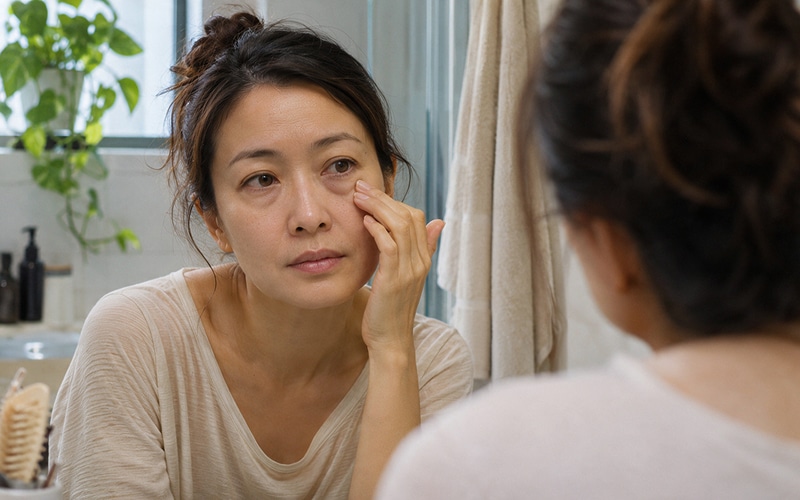
Have you ever had a good night's sleep, only to look in the mirror and wonder why you still look tired? Perhaps you've noticed darker areas beneath your eyes or that your face looks less fresh in photos than it used to. A tired-looking face isn't always a sign of poor sleep. Changes in facial volume, skin elasticity and the area around your eyes can affect how rested you appear.
As you age, the fat beneath your skin can gradually shift or decrease, while your skin becomes less firm and elastic. These changes can contribute to a tired-looking face, making certain areas appear hollow, puffy or less defined, even when you feel well rested.
However, signs of facial ageing vary from person to person. Genetics, sun exposure, weight fluctuations and your natural facial structure can all influence how these changes develop.
For example, two people may have similar-looking dark circles but for completely different reasons. One might have under-eye hollows that cast shadows, while the other has prominent eye bags that create darkness beneath the puffiness. Although both can make you look tired, the underlying causes require different approaches.
Your eyes can significantly affect how rested or alert you appear. Even small changes around the eyelids can make you look tired, particularly when shadows, puffiness or loose skin become more noticeable.
Under-eye hollows are one possible cause. As you age, changes in facial volume and the tissues supporting your lower eyelids and cheeks can create deeper grooves beneath your eyes. These hollows tend to cast shadows, especially under overhead lighting, making them look like dark circles that never seem to disappear.
Eye bags can develop when fat beneath the lower eyelids becomes more prominent, sometimes alongside loose skin. However, persistent puffiness can also result from fluid retention, allergies or other conditions. If an assessment identifies protruding fat as the main concern, we may discuss whether eye bag removal is appropriate for you. We also assess the surrounding area because removing prominent fat without addressing existing hollowness could leave the eyes looking more sunken.
Changes to your upper eyelids can also affect your expression. As the skin loses elasticity, excess skin may fold over the natural eyelid crease, making your eyes appear smaller or heavier. In these cases, upper eyelid blepharoplasty may help remove excess skin.
Your cheeks also affect how rested your face looks. As you age, the fat that gives your cheeks their natural fullness can gradually decrease or shift, making them appear flatter or more sunken. This loss of facial volume can also create a more noticeable hollow between your lower eyelids and cheeks, contributing to a tired-looking face even when your eyes have changed very little.
For example, you might notice this after losing weight. Although you may feel healthier and more energetic, your cheeks could appear less full, while the grooves beneath your eyes and lines around your nose become more prominent. In these cases, treating only the under-eye area may not fully address what makes your face look tired.
Depending on your facial structure and the extent of volume loss, fat transfer to the face may be an option. This surgical procedure uses fat taken from another part of your body to restore fullness to selected facial areas, such as the cheeks. However, some transferred fat may be reabsorbed as the treated area heals. Recovery affects both the donor and treated areas, and swelling and bruising may occur. We assess how much volume restoration may be suitable and discuss what results you can realistically expect.
Sometimes, a tired-looking face has more to do with your skin's condition than changes in your facial structure. Even if your cheeks and eyelids haven't changed much, dullness, fine lines and uneven skin texture can make your complexion look less fresh, especially under harsh lighting or without make-up.
As you age, your skin gradually loses moisture and elasticity, making fine lines more noticeable. Skin laxity and ageing can also affect how smooth and firm your face appears, while pigmentation and uneven skin tone may add to an already tired appearance.
If these changes concern you, there are simple ways to start caring for your skin. Daily sunscreen use, keeping your skin moisturised, and maintaining a consistent skincare routine can help protect your skin and improve its appearance over time.
If you experience persistent dryness, fine lines, or changes in skin texture, we may also discuss skin boosters. These injectable treatments aim to improve hydration and skin quality, potentially helping your complexion look smoother and more refreshed.
However, skin boosters cannot correct prominent eye bags or restore significant facial volume loss. We assess your skin and facial structure to determine whether skin-focused treatments suit your concerns.
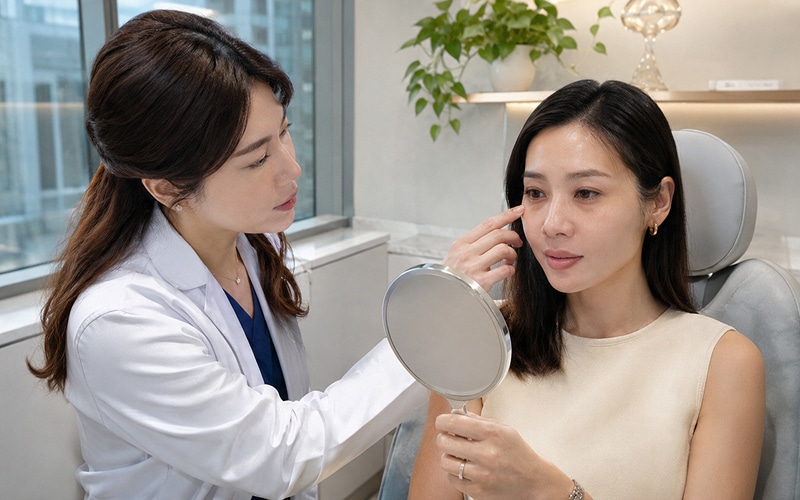
Because everyone's face ages differently, we take the time to understand what contributes to your tired appearance before discussing treatment options.
During your consultation, we may ask when you first noticed these changes, whether they developed gradually or followed weight loss, and which features concern you most. We also examine your face at rest and during facial expressions, paying attention to your eyelids, cheek volume, skin quality and any areas of sagging.
For example, someone with prominent eye bags may benefit from a different approach than someone whose cheeks have become hollow over time. Even when several changes are present, you may not need to treat every area.
Our priority is to identify the features that most influence your appearance. We also explain how the options differ in recovery, possible side effects and risks, so you understand what treatment could involve before deciding whether to proceed.
Looking refreshed does not mean you need to get rid of every wrinkle or reverse every sign of ageing. Sometimes, addressing the changes that make your face appear tired is enough to help your appearance better match how you feel.
At Shens Clinic, we take an individualised approach to facial rejuvenation, considering your natural features, concerns and desired outcome before recommending treatment.
If you have noticed changes around your eyes, cheeks or skin that make you look constantly tired, contact our clinic to arrange a consultation with Dr Shens. We can help you understand what is causing these changes and explore suitable ways to achieve a more rested appearance.
Dr Shenthilkumar Naidu is the Medical Director and Consultant Plastic Surgeon at Shens Clinic. He holds MBBS, MMed (Surgery), MRCS (Edinburgh) and FAMS (Plastic Surgery) qualifications. His clinical work includes facial cosmetic surgery, eyelid procedures, and fat grafting, and he also completed further plastic surgery training in South Korea.
Yes. Dark circles are not always caused by insufficient sleep. Under-eye hollows, pigmentation, visible blood vessels and puffiness can all make your eyes appear tired. Identifying the underlying cause helps determine which treatments, if any, may be suitable.
Not necessarily. Eye bag surgery can address prominent fat beneath the lower eyelids, but it may not resolve dark circles caused by pigmentation or hollowing. We assess your under-eye area to determine what surgery can realistically improve.
Yes, depending on the cause. Consistent skincare, sun protection and non-surgical treatments may help improve skin quality or certain volume-related concerns. However, significant eye bags, excess eyelid skin or facial sagging may require other treatment approaches.
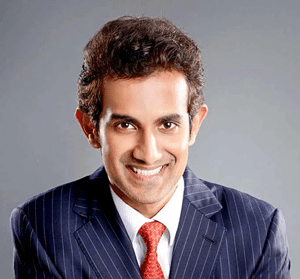
Dr. Shenthilkumar Naidu (Dr. Shens) is a Ministry of Health accredited Consultatn Plastic Surgeon with extensive expertise in cosmetic and reconstructive surgery. He is renowned for his advanced techniques in body contouring and aesthetic enhancements. For more information, visit Shens Clinic.
Monday – Friday: 09:00 am – 06:00 pm
Saturday: 09:00 am – 02:00 pm
Sun and PH: Closed
(Strictly By Appointment Only)
Monday – Friday: 09:00am – 06:00pm
Saturday: 09:00am – 02:00pm
Sun and PH: Closed
(Strictly by appointment only)
Copyright ⓒ Shens Clinic | Privacy Policy | Terms and Conditions .