

By Dr Shenthilkumar Naidu (Dr Shens), Medical Director & Consultant Plastic Surgeon | Medically Reviewed
You might first notice it in photographs, when your cheekbones seem more prominent, or the areas beside your forehead look slightly sunken. These subtle changes can happen gradually, sometimes making your face appear slimmer or more tired than you feel. This is often associated with temple hollowing, which can develop naturally with age or changes in facial volume.
If you are considering treatment, the goal is not necessarily to make your temples look fuller. At Shens Clinic, we look at how the temples relate to your forehead, cheeks, and overall facial shape to determine whether restoring lost volume could create a more balanced appearance.
One common reason is loss of facial volume. As we age, the fat beneath our skin naturally decreases, while changes in the underlying muscles and bone structure can make the temples appear less full. This loss of temple volume may create a deeper indentation between the forehead and cheekbones, making the upper face look narrower.
However, ageing is not always the cause. Some people naturally have sunken temples because of their facial structure, while others notice hollowing after significant weight loss, particularly when their cheeks have also become slimmer.
For example, someone who has always had a naturally slim face may simply want to soften the indentation around their temples. Another person might notice that their temples and cheeks have gradually lost fullness over the years, making their face look different from how they remember it.
If you are considering treatment for hollow temples, you may be wondering whether dermal fillers or fat grafting would give you the results you want. Both can restore lost volume, but they work differently, especially in how the procedure is performed, recovery, and how long the results last.
The choice often depends on how much fullness you have lost, whether other areas of your face have changed and how comfortable you are with the treatment process.
If your temples have only started to look slightly hollow, you may prefer a non-surgical option. Hyaluronic acid fillers can add volume beneath the skin, helping to soften the indentation between your forehead and cheekbones.
For example, you might be happy with your overall facial shape but notice that the sides of your forehead look a little sunken in photographs. In this case, a small amount of filler may create a smoother transition between the temples and surrounding areas.
Treatment can usually be completed in a single appointment, although temporary swelling, tenderness or bruising may occur. Results are not permanent, as the filler gradually breaks down over time. You may therefore need further treatment to maintain the appearance.
Certain hyaluronic acid fillers can also be dissolved if clinically appropriate. However, temple injections carry risks, including rare but serious vascular complications, so careful assessment is necessary.
If your temples have become noticeably hollow over the years, especially alongside changes in your cheeks, you may be considering a longer-lasting approach.
Our fat grafting face involves taking a small amount of fat from another part of your body, such as your abdomen or thighs, preparing it, and transferring it to areas where you need more volume.
For example, someone who has lost considerable weight might notice that their face looks much slimmer than before, with deeper temples and less fullness around the cheeks. Fat grafting may be considered when several areas could benefit from volume restoration.
Unlike dermal fillers, transferred fat needs to develop a blood supply in its new location to survive. Some of the fat will naturally be absorbed by the body, while the portion that survives may remain for several years. However, the amount retained varies, and subsequent ageing or weight changes can still affect the results.
Recovery also takes longer than with fillers because both the collection site and the treated areas need time to heal. Swelling and bruising are common, and additional treatment may sometimes be necessary to achieve the desired contour.
Neither approach is automatically better. At Shens Clinic, we consider your facial structure, the extent of volume loss and your preferences before discussing which option may be appropriate.

When treating hollow temples, the goal is not necessarily to make them as full as possible. A little natural definition is part of your facial structure, and adding too much volume can change how your forehead, cheeks, and eyes relate to one another.
For example, if you have recently lost weight, you might notice your temples look more sunken and your cheekbones sharper than before. Simply adding volume to your temples may not address the changes in your cheeks, which could leave your facial proportions looking uneven. At Shens Clinic, we assess these areas together to determine whether volume restoration is appropriate.
It is also worth considering whether the changes you have noticed are due to lost volume, skin texture, or sagging. These concerns may look similar at first, but they do not necessarily require the same treatment.
For instance, skin boosters may help improve skin hydration and the appearance of fine lines, but they cannot replace significant volume loss. Meanwhile, a face thread lift repositions mildly sagging facial tissue rather than filling sunken areas.
This is why we look beyond the temples themselves. Sometimes, restoring a small amount of volume is enough to soften a hollow appearance, while other cases may involve changes across several areas of the face.
If you plan to address temple hollowing, consider recovery time, especially if you have work commitments, social events, or travel plans coming up.
Dermal fillers generally require less recovery time, and many people can return to their usual activities relatively quickly. However, temporary swelling, bruising or tenderness may occur, and the treated areas may take some time to settle.
Fat grafting usually requires more recovery time because fat must first be collected from another part of your body before being transferred to the temples. You may experience swelling and bruising in both areas, while some of the transferred fat will naturally be absorbed as healing progresses. Uneven volume retention or small lumps can also occur.
Beyond recovery, it is important to understand the risks involved. The temples contain blood vessels connected to the circulation around the eyes. If filler or transferred fat accidentally enters a blood vessel, it can cause serious complications, including tissue damage or, in rare cases, blindness. Sudden severe pain, unusual skin colour changes or any changes in vision after treatment require immediate medical attention.
At Shens Clinic, we review your medical history, previous facial treatments, and individual concerns before discussing your options. We also explain what to expect during recovery so you can make an informed decision and allow enough time to heal.
You do not necessarily need fuller temples to achieve a more balanced appearance. Sometimes, a small adjustment can soften the transition between your forehead and cheeks without changing your natural features.
If you are concerned about hollow temples, contact Shens Clinic to arrange a consultation and discuss your options.
Dr Shens is an MOH-accredited Consultant Plastic Surgeon who trained in Plastic and Reconstructive Surgery at the National University Hospital and undertook further reconstructive and aesthetic training at Hanyang University Hospital in Korea. With more than 20 years of experience, his clinical work includes facial procedures and fat grafting.
Yes. When the temples lose volume, the areas around your eyes may look deeper or more defined, even if your eyes haven't changed. Restoring some fullness may help soften this appearance.
Not necessarily. Fillers may suit those seeking subtle, temporary changes, while fat grafting may be considered for more noticeable volume loss. The right option depends on your facial structure, treatment goals and recovery preferences.
Results from fat injections in the face can last for years if the transferred fat survives. Fillers gradually break down and may require maintenance. However, results vary, and neither treatment stops natural ageing.
Mild facial asymmetry is common, so one temple may naturally look more sunken than the other. However, sudden or worsening hollowing, particularly with pain, should be medically assessed.
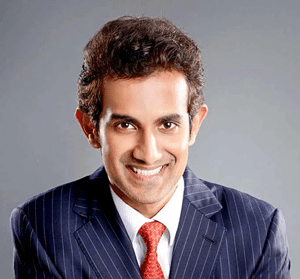
Dr. Shenthilkumar Naidu (Dr. Shens) is a Ministry of Health accredited Consultatn Plastic Surgeon with extensive expertise in cosmetic and reconstructive surgery. He is renowned for his advanced techniques in body contouring and aesthetic enhancements. For more information, visit Shens Clinic.
Monday – Friday: 09:00 am – 06:00 pm
Saturday: 09:00 am – 02:00 pm
Sun and PH: Closed
(Strictly By Appointment Only)
Monday – Friday: 09:00am – 06:00pm
Saturday: 09:00am – 02:00pm
Sun and PH: Closed
(Strictly by appointment only)

Copyright ⓒ Shens Clinic | Privacy Policy | Terms and Conditions .