
By Dr Shenthilkumar Naidu (Dr Shens), Medical Director & Consultant Plastic Surgeon | Medically Reviewed
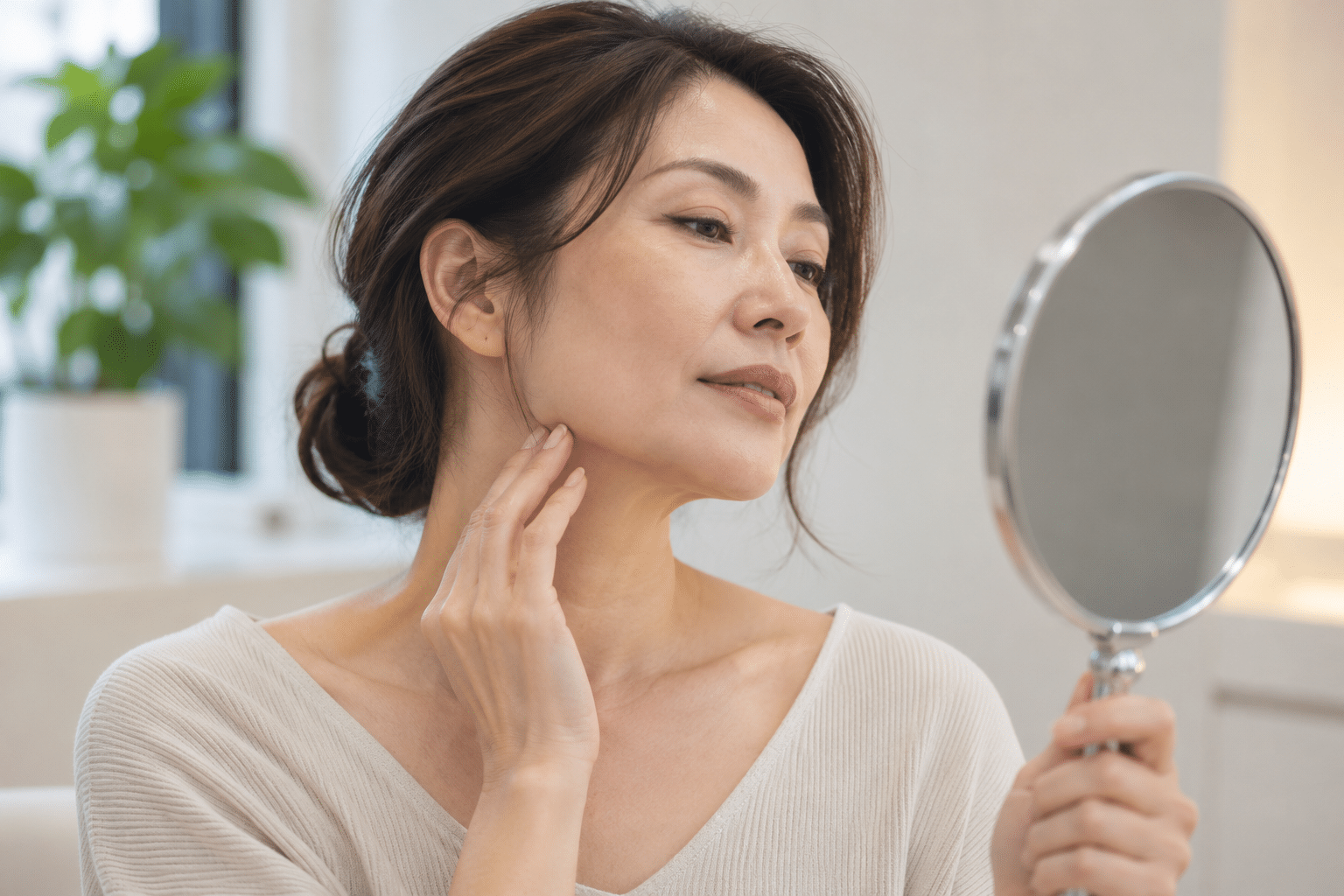
Have you ever looked at a recent photo and noticed your jawline isn't quite as defined as it used to be? Perhaps your chin looks a little less prominent, or the skin around your lower face has started to sag. These changes often happen gradually, and you may not even notice them until you compare photos taken a few years apart.
Jawline ageing is a natural part of getting older, but the reasons behind these changes can differ from person to person. At Shens Clinic, we take a closer look at your chin, lower face and neck to understand what is affecting your jawline and explore ways to restore definition while keeping your natural facial features in mind.
Your jawline does not stay the same throughout your life. Its shape depends on several factors, including your bone structure, facial fat and skin elasticity. As you get older, your skin gradually produces less collagen and elastin, while changes in facial fat and the tissues beneath your skin can affect how defined your lower face appears.
One of the more noticeable signs of jawline ageing is the development of jowls, where the skin and tissues around your lower cheeks begin to sag. Skin laxity around the jawline can also make your lower face look heavier or less sculpted, even if your weight has stayed the same.
Your natural facial structure also plays a part. If you have always had a smaller or slightly recessed chin, the transition between your jaw and neck may already be less pronounced. As your skin loses firmness over time, these existing features can become more noticeable, contributing to a softer jawline.
Two people may be unhappy with how their jawlines look, but the reasons behind these changes can be quite different. This is particularly common with jowls and jawline ageing, where changes in skin, facial fat and bone structure can affect the lower face in different ways.
Consider these two situations:
Example 1: A less defined jawline after weight loss
Someone in their forties notices that their jawline looks less defined after losing weight. Although their face appears slimmer, their cheeks have also lost some fullness, leaving the skin around their mouth slightly loose. In this situation, removing more fat beneath the chin may not improve their jawline and could make their face appear more hollow.
Example 2: Fullness beneath the chin despite firm skin
Another person notices their jawline looks rounded in side-profile photos, even though their skin is relatively firm and they have little sagging. The main cause could be excess fat under the chin or a naturally smaller chin, not loose skin.
These examples show why the same concern does not always call for the same treatment. We assess your facial proportions, skin elasticity, underlying tissue and neck contours to understand what is affecting your jawline before discussing suitable options.
The right approach depends on what is making your jawline look less defined. For some people, the concern is a naturally smaller chin. For others, it is loose skin or sagging around the lower cheeks.
If you have always had a smaller or slightly recessed chin, you may notice your jawline looks less prominent, especially in side-profile photos. Adding chin projection may help create a clearer distinction between your lower face and neck.
Depending on your facial structure and preferences, we may discuss dermal fillers or chin augmentation, which involves placing an implant to improve chin projection. However, these treatments do not address significant loose skin or sagging around the jawline.
If you have started noticing jowls forming around your lower cheeks, lifting the sagging tissue may help restore some jawline definition.
For mild to moderate sagging, a face thread lift may be an option. This treatment uses absorbable threads to reposition and support loose facial tissue. Results are temporary and vary from person to person. You may also experience swelling, bruising or discomfort after the procedure.
If you have more noticeable sagging or excess skin, surgical lifting may be more appropriate. You may have come across procedures such as a deep plane facelift or SMAS facelift when researching your options. Both involve lifting deeper facial tissues, but they differ in how they reposition these tissues. We assess your facial structure before discussing which approach may be suitable, along with the expected recovery period and potential surgical risks.
Your jawline may still look relatively defined, but the skin around it no longer feels as firm as before. This can happen as collagen production gradually declines with age.
In these cases, a HIFU facelift may help improve mild skin laxity. It uses focused ultrasound energy to stimulate collagen production beneath the skin, with changes developing gradually over time.
You may experience temporary redness, swelling or sensitivity after treatment. Less common complications, including burns or nerve irritation, are also possible. HIFU cannot correct a recessed chin or remove substantial excess skin, so we assess your skin condition and the degree of sagging before determining whether this approach is suitable.
Changes in your jawline aren't always limited to your lower cheeks. Jawline ageing can also affect the area beneath your chin and along your neck, making the transition between your face and neck appear less defined.
For instance, you might notice a fuller appearance beneath your chin, even if your weight has not changed. This could be due to localised fat, loose neck skin or changes in the underlying neck muscles.
Addressing jowls alone may not give you the definition you want if fullness beneath the chin is your main concern. Similarly, removing excess fat without considering skin elasticity could make existing loose skin more noticeable.

While you can't prevent the natural changes that come with ageing, certain everyday habits can help keep your skin healthy and firmer for longer.
Wearing sunscreen regularly helps protect your skin from UV damage, which can speed up collagen breakdown and contribute to sagging. Avoiding smoking and maintaining a stable weight can also help. Frequent weight fluctuations can change facial fat, making loose skin around your jawline more noticeable.
You may also have come across facial exercises, massage techniques or beauty devices that claim to tighten jowls and give you a sharper jawline. Although some may temporarily change how your skin looks, there is limited evidence that these methods can produce lasting improvements in sagging facial tissues. They also cannot reverse changes in your underlying bone structure.
Your jawline does not need to look a certain way to be attractive. However, if you have noticed changes in your lower face that affect how you feel about your appearance, it is worth understanding what is causing them.
At Shens Clinic, we consider how your chin, jawline and neck work together before discussing treatment options. Our aim is to help you understand what may be contributing to the changes you have noticed and what each approach can realistically achieve.
Contact Shens Clinic to arrange a consultation with our plastic surgeon and discuss your jawline concerns.
Dr Shenthilkumar Naidu, also known as Dr Shens, is our Medical Director and an MOH-accredited Consultant Plastic Surgeon. He trained in plastic and reconstructive surgery at the National University Hospital and undertook further training at Hanyang University Hospital in South Korea. His clinical interests include facial and body cosmetic surgery.
There is no fixed age. Some people notice softer contours in their thirties, while others retain a defined jawline much longer. Genetics, facial structure, sun exposure, and weight changes all influence when changes become visible.
Mild jowling may respond to selected non-surgical treatments, including threads or energy-based tightening. However, these usually offer more limited, less durable results than surgery. Significant loose skin may need a different approach.
It depends on the cause. Weight loss may reduce fat beneath the chin, but it can also reduce facial volume and make loose skin more noticeable. We assess both factors before discussing treatment.
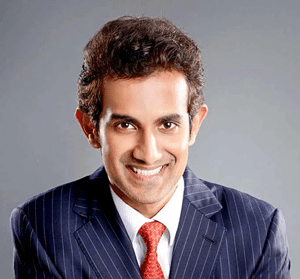
Dr. Shenthilkumar Naidu (Dr. Shens) is a Ministry of Health accredited Consultatn Plastic Surgeon with extensive expertise in cosmetic and reconstructive surgery. He is renowned for his advanced techniques in body contouring and aesthetic enhancements. For more information, visit Shens Clinic.
Monday – Friday: 09:00 am – 06:00 pm
Saturday: 09:00 am – 02:00 pm
Sun and PH: Closed
(Strictly By Appointment Only)
Monday – Friday: 09:00am – 06:00pm
Saturday: 09:00am – 02:00pm
Sun and PH: Closed
(Strictly by appointment only)
Copyright ⓒ Shens Clinic | Privacy Policy | Terms and Conditions .